When most people hear the word walking stick, they imagine something reserved for the elderly or perhaps the rugged hiker scaling mountains. But this simple accessory is far more versatile than its stereotype suggests. Walking sticks are tools of support, symbols of status, fashionable accessories, and even companions in adventure. From the cobblestone streets of 19th-century Europe to modern hiking trails, they have served both practical and cultural purposes for centuries. Today, they are making a comeback, not only as mobility aids but also as stylish, functional tools that suit a wide variety of lifestyles.

Choosing the Right Walking Stick

Picking out dependable walking sticks relies on your needs, preferences, and lifestyle. Let’s break down the main types and features.
Types of Walking Sticks
Traditional Walking Sticks
Crafted from wood such as ash, oak, or hazel, these sticks carry a timeless appeal. They’re chosen as much for their beauty as their practicality. Many feature natural finishes or carved details, making them a unique reflection of personal style.
Hiking Sticks/Trekking Poles
For outdoor enthusiasts, trekking poles are indispensable. Usually sold in pairs, they are lightweight, adjustable, and often include ergonomic grips and shock absorption. Their design helps distribute effort evenly, reducing fatigue during long hikes or steep climbs.
Fashionable Canes
These sticks blur the line between necessity and fashion statement. Popular during the 18th and 19th centuries, fashionable canes remain relevant for their elegance. They often feature ornate handles, decorative inlays, and refined shapes, serving as both light support and style enhancers.
Key Features to Consider
- Material: Wooden sticks exude classic charm, while bamboo offers a lightweight and flexible option. For modern performance, carbon fibre and aluminium deliver durability with minimal weight.
- Height: Proper sizing ensures comfort. When standing upright, the stick should allow your elbow to bend slightly for optimal support and ease of use.
- Handle Type: Options include the classic crook handle for easy hooking, derby handles for ergonomic comfort, or pistol grips for maximum stability.
- Tip/Ferrule: The tip of a walking stick can determine its practicality. Rubber tips provide traction on smooth surfaces, while metal ferrules or spiked tips are better suited for rugged outdoor terrain.
Whether you’re considering a walking stick for sale online or at a speciality shop, these factors can guide you toward a stick that perfectly balances function and style.
The Practical Purpose: A Tool for Support and Safety
Walking sticks have always been valued for the tangible support they provide.
- Physical Support: A well-chosen stick can ease pressure on the knees, hips, and ankles, especially during long walks or hikes. For those who need mobility assistance, mobility walking sticks are designed to offer stability and confidence in everyday life.
- Safety and Protection: Beyond mobility, a stick can act as a safety tool. Testing the ground ahead for firmness, clearing away overgrown brush, or, in rural settings, serving as a simple deterrent against stray animals.
- Hiking and Trekking: On outdoor adventures, walking sticks or trekking poles become indispensable. They reduce strain on joints during steep descents, help maintain rhythm on long trails, and provide extra balance when carrying heavy backpacks.
The Historical & Cultural Purpose
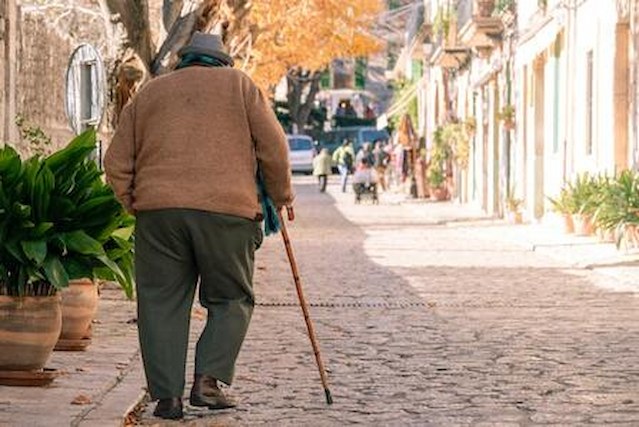
Beyond utility, walking sticks hold a fascinating place in history and culture.
A Symbol of Authority and Power
For centuries, walking sticks were associated with power and prestige. Kings carried ornate staffs, religious leaders used them as symbols of spiritual authority, and gentlemen in the 18th century rarely stepped out without a finely crafted cane. These sticks were not only functional but also deliberate markers of social status.
Cultural and Regional Significance
Around the world, walking sticks have been decorated, carved, and even painted to reflect cultural identity. In some traditions, they were used ceremonially, representing wisdom and respect for elders. In others, they served practical roles in herding or farming, doubling as both tool and ornament.
A Fashionable Accessory
During the 18th and 19th centuries, no gentleman’s attire was complete without a cane. Handles shaped like animal heads, precious metals, and intricate carvings turned walking sticks into fashionable statements. Today, this legacy continues in modern canes that blend practicality with elegance, proving that the walking stick remains as stylish as it is functional.
Embracing a New Perspective
When viewed in its entirety, the walking stick is far from a relic of the past. It’s a tool of support, an instrument of safety, a hiking companion, and a piece of fashion history all rolled into one. Whether you’re exploring mountain trails with carbon-fibre trekking poles, seeking balance with a mobility walking stick, or adding flair to your wardrobe with a polished cane, there’s a walking stick that fits every purpose and personality.
A Timeless Companion
To dismiss walking sticks as outdated is to overlook their enduring value. They offer balance and stability for those who need support, confidence and rhythm for adventurers, and timeless elegance for those who appreciate style. Their history spans centuries, their uses are diverse, and their symbolism is rich.
So next time you see a walking stick, don’t think of it merely as a sign of age or frailty. See it as a proactive choice, an accessory of strength, independence, and sophistication. After all, the right walking stick isn’t just about getting from point A to point B; it’s about how you walk the journey in between.