Whether you’re braving unpredictable mountain weather, enjoying a weekend by the lake, or setting up camp in the woods, a tent is your ultimate piece of gear to keep you safe, warm and protected from the elements when camping. When on the hunt for the right model, however, there are some important factors to keep in mind. The following guide breaks down all of them.
Capacity
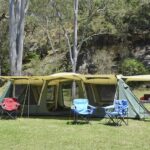
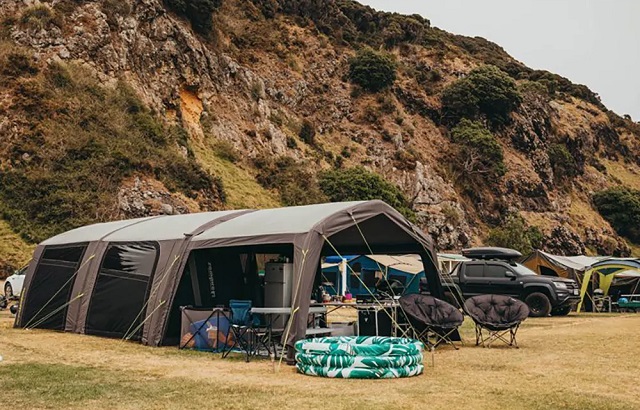
When shopping for a tent, capacity is one of the most critical factors. The number attached to a tent, whether it’s four, eight, or twelve, can be a little misleading if you don’t understand what it truly represents. If you want a bigger option for sleeping comfortably under the open sky, a massive and durable 12-person tent is ideal!
It offers between 200 and 250 square feet of floor space, which, in theory, allows twelve campers to squeeze in with sleeping pads. However, in practice, this setup is rarely ideal. Families, groups of friends, or scout troops usually prefer extra space for storing gear, moving around, or simply not sleeping shoulder-to-shoulder. This means that a tent for 12 persons is often most comfortable for about eight to ten people, depending on how much personal space and storage you want inside.
Beyond floor area, headroom plays an important role in overall comfort. Many large-capacity 12-person tents are designed with high ceilings, sometimes tall enough to stand in, which makes a huge difference when changing clothes or spending extended time inside during poor weather. Storage features like vestibules, room dividers, and interior pockets also add practicality for large groups.
It’s also important to consider the practical side of owning such a large tent. A 12-person model will be heavier, bulkier, and take longer to set up compared to smaller tents. Good ventilation is critical, too, as more people inside means more condensation. Weather resistance should be a top priority, as a 12-person tent has more surface area exposed to wind and rain.
On the other hand, smaller options like 2–4 person tents are lightweight and ideal for solo campers, couples, or short weekend trips. 6–8 person tents strike a balance, offering enough space for families or small groups while still being manageable to set up and transport.
Types
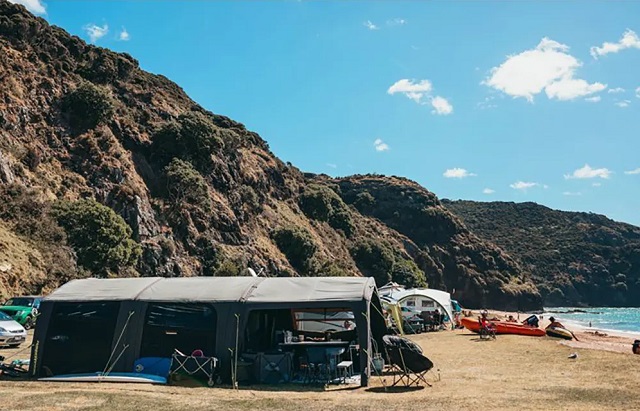
Tents come in a variety of types, each designed for specific camping needs and environments. Dome tents are among the most popular, featuring curved poles that create a rounded shape, offering stability and easy setup. These are great for small groups.
Cabin models provide near-vertical walls and higher ceilings, making them ideal for families who want comfort and space to move around. For larger groups, multi-room tents often come with dividers for organisation as well as privacy.
Tunnel tents are long and spacious, suitable for car camping, though they require more time to pitch. In harsher conditions, geodesic and mountaineering alternatives are built for strength, resisting heavy winds and snow. Backpackers often prefer ultra-light tents for portability, while pop-up tents offer instant setup for festivals or casual trips.
Materials and Durability
Materials directly affect the durability and performance of your tent. Most modern options use nylon or polyester, which are lightweight, quick-drying, and resistant to mildew. Higher-denier fabrics generally last longer and withstand rougher use.
Many tents are treated with polyurethane (PU) coatings or silicone for added water resistance. Canvas (cotton) tents, though heavier, are exceptionally durable and breathable, making them ideal for long-term or glamping setups. Poles also matter. Aluminium poles are strong and lightweight, while fibreglass ones are more affordable but less durable.
Additional Features to Look for
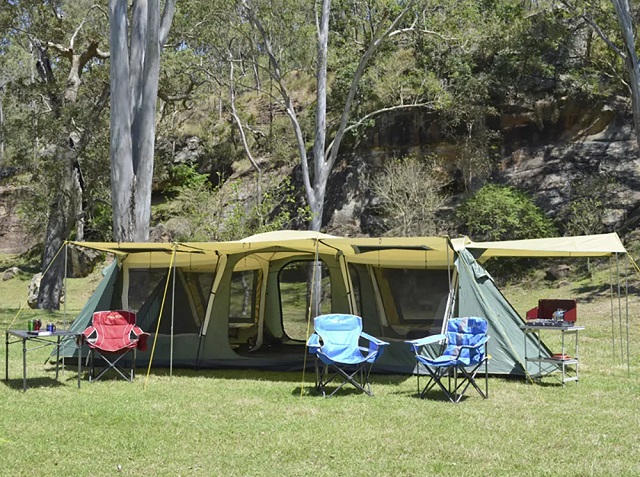
When getting the perfect tent, there are some additional features that seem small but make a huge difference in terms of comfort, practicality, and long-term performance. Ventilation is essential; therefore, look for mesh windows, roof vents, and doors that allow airflow to reduce condensation.
Weatherproofing elements like fully taped seams, rainfly coverage, and bathtub-style floors keep interiors dry during heavy rain. For convenience, features such as room dividers in larger tents offer privacy, while vestibules provide sheltered space for storing boots or gear outside the sleeping area.
Interior storage pockets and gear lofts keep camping essentials organised and off the ground. Easy setup systems, like colour-coded poles or quick-pitch designs, save time and frustration, especially with large tents. Some models also include electrical cord ports, ideal for powering devices at developed campsites. Finally, consider UV protection coatings if you’ll be camping in sunny conditions.
Care and Maintenance
Proper care and maintenance will extend the life of your tent and keep it performing at its best. Always set it up on clear, level ground to avoid punctures or tears. After each trip, shake out dirt and debris, then clean the fabric with mild soap and water and never use harsh detergents.
Allow the tent to fully dry before packing to prevent mould and mildew. Store it loosely in a cool, dry place rather than compressed in its carry bag. Regularly check seams, zippers, and poles for wear, and reapply waterproof coatings when needed.