As manufacturing evolves, CNC plasma cutters have become a cornerstone of efficient production, offering speed, control, and remarkable accuracy. These machines streamline tasks that once demanded intense manual skill, allowing fabricators to produce smooth, detailed cuts at lower costs. By merging digital automation with high-temperature plasma, they deliver precision without compromise, revolutionising everything from custom design to heavy industrial fabrication.
Understanding CNC Plasma Cutters
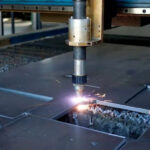
A CNC plasma cutter operates through a process that uses a torch to direct ionised gas, or plasma, at extreme velocity to melt and separate metal. The key lies in its computer numerical control system, which converts a digital design into precise cutting instructions. The torch follows programmed paths via motion axes, cutting metals like steel, aluminium, and copper with clean edges and consistent results.
These systems can achieve impressive cutting speeds of up to 500 inches per minute while maintaining quality, providing both hobbyists and professionals with consistent, repeatable performance. Industries ranging from automotive to aerospace now rely on the precise CNC plasma cutters for crafting structural frames, brackets, and artistic metalwork.
Exploring Options for Every Need
When selecting from the wide range of CNC plasma cutters, understanding operational priorities is crucial. The material used, its thickness, and desired precision should dictate your choice. For instance, mild steel demands higher amperage, while thin aluminium benefits from precise control and a stable torch height.
Table size directly influences project versatility; compact models suit workshops with limited space, whereas industrial units handle full-sheet materials efficiently. Software compatibility is equally key; modern machines support CAD and nesting programs for productivity optimisation.
Before committing, review maintenance requirements, power supply compatibility, and available consumables. Choosing a system with accessible service and clear documentation minimises downtime and extends machine life. Regular calibration, proper air filtration, and torch height control maintenance ensure lasting performance and safety compliance.
Recent generations of machines combine robust hardware with advanced software integration, allowing intuitive operation and streamlined setup. Improved controllers enable effortless switching between cutting programs, while reinforced tables and smoother rail systems reduce vibration, ensuring stable performance.
Reliable CNC plasma cutters will serve you for years to come, ensuring consistent quality and adaptability across a variety of projects.
Materials and Build Quality
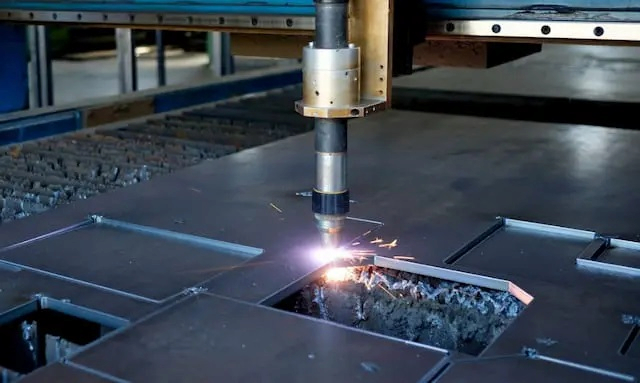
Build quality defines the durability and accuracy of every cut. Frames engineered from reinforced steel resist industrial vibrations, while precision lead screws and rack drives sustain smooth, exact movements.
Many systems employ advanced torch height controllers that automatically adjust to maintain the ideal distance between the plasma jet and the metal surface. This increases the lifespan of consumables and preserves surface finish integrity over repeated runs.
Energy efficiency and material optimisation features have also become common, cutting costs while boosting sustainability. High-definition torches, capable of narrow kerf cuts and reduced dross, offer results nearly matching those of laser systems at a fraction of the price. Enhanced cooling systems maintain a steady output, even under continuous load, thereby preserving part accuracy throughout extended production cycles.
Modern designs also promote modular construction, letting operators update or expand tables and gantries based on production needs. The outcome is dependable, precise performance across mixed metals and thickness variations.
Safety and Maintenance Essentials
Safety measures underpin all plasma operations. Operators should use protective clothing and face shields to guard against UV radiation and flying particulates. Adequate ventilation prevents fumes from accumulating in enclosed spaces, especially when cutting galvanised or coated metals.
Routine visual inspections of nozzles and swirl rings reduce arc instability and maintain consistent cut quality. To extend operational lifespan, technicians should follow strict maintenance routines, clean air filters, lubricate guide rails, and replace spent electrodes at recommended intervals. Small habits like cleaning the fume extractor and calibrating torch alignment can drastically improve accuracy and efficiency.
Comparing Technologies
Compared with oxy-fuel systems, plasma cutters excel at processing non-ferrous metals and thinner sheets due to their rapid heat distribution. They outperform oxy methods in precision and versatility yet consume less time on setup. While laser systems produce even finer edges, plasma remains favourable for its lower operational costs and forgiving maintenance needs.
For complex, artistic, or structural designs, CNC plasma cutting machines offer one of the best performance-to-price balances currently available in manufacturing. The choice often depends on production scale and desired finish, though for many workshops, plasma stands as the most capable all-round solution.
Elevating Every Cut
CNC plasma systems embody progress in digital fabrication, making metal shaping faster, cleaner, and smarter. From skilled artisans to large-scale manufacturers, everyone benefits from the seamless integration of software intelligence and mechanical precision.
Consistent maintenance and mindful operation sustain their reliability over time, empowering users to maximise productivity without compromising detail. Adaptability, efficiency, and consistency make plasma cutting an enduring force in modern workshops and factories alike, one that continues to refine how every cut tells a story of craftsmanship and innovation