Head-up displays (HUDs) were first developed for fighter jets, where pilots needed instant access to speed, altitude, and targeting data without looking down. The same principle now applies to cars: instead of glancing at the dashboard, drivers see speed, navigation prompts, and system alerts projected directly into their line of sight. This reduces eye movement, improves focus, and makes driving smoother and safer.
HUDs are particularly useful in modern vehicles where dashboards are crowded with information. By simplifying what the driver sees, they reduce cognitive load and make driving less stressful.
It’s All About Visibility
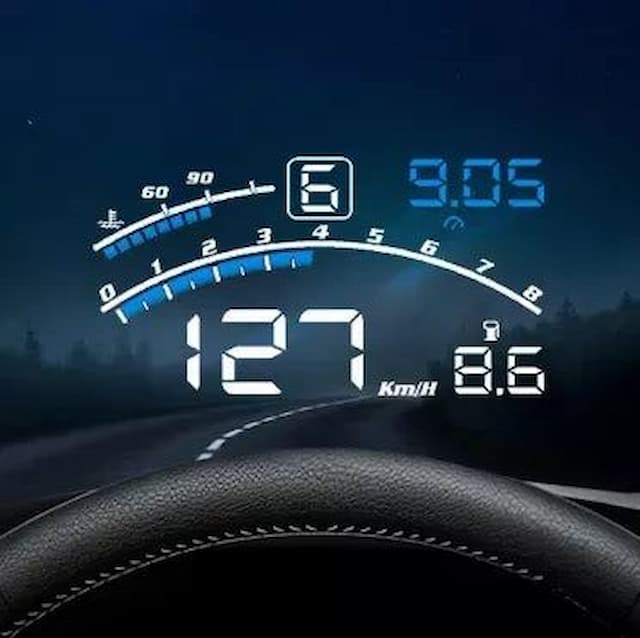
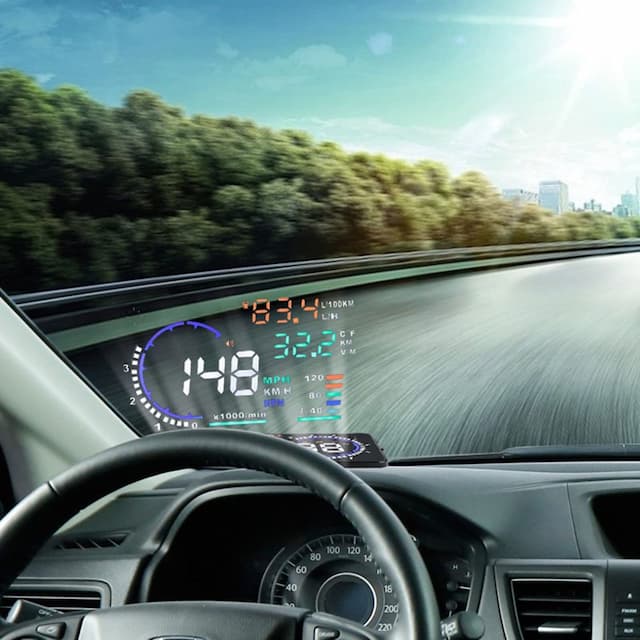
Distraction is one of the most common causes of accidents. A car HUD display helps reduce this risk by keeping vital information where drivers naturally look. Instead of shifting focus between the road and the dashboard, the HUD projects data onto the windscreen or a transparent panel. This small change improves reaction times, especially in heavy traffic or unpredictable conditions.
Studies on driver behaviour show that even a one-second glance away from the road can increase accident risk significantly. HUDs minimise this by ensuring that speed, navigation, and alerts remain visible without breaking concentration.
Balancing these features with cost is important, which is why purchasing a car HUD display will serve you well in the long run, especially if you want safer, smarter driving without unnecessary complexity.
Choosing the Right Fit
HUDs vary in design and functionality. Some connect to the car’s onboard diagnostics (OBD) to show speed, RPM, and fuel efficiency. Others rely on GPS to provide navigation prompts, while advanced models combine both. When choosing, consider:
- Projection clarity – readability in bright sunlight and at night.
- Compatibility – ensuring the system works with your vehicle.
- Ease of installation – plug-and-play units are ideal for everyday drivers.
- Adjustability – brightness and angle settings for comfort.
Everyday Benefits in Practice
HUDs are not just futuristic gadgets; they solve real-world problems:
- City driving – speed monitoring without breaking focus.
- Long trips – navigation prompts projected clearly, reducing fatigue.
- Night driving – adjustable brightness prevents glare while keeping data visible.
They also support battery health monitoring and fuel efficiency tracking, depending on the model. These features make HUDs practical for both daily commutes and long-distance travel.
Another benefit is reduced eye strain. Constantly shifting focus between the dashboard and the road can tire the eyes, especially during long drives. HUDs keep vision steady, making journeys more comfortable.
The Tech Behind It All
Modern HUDs use durable casings and advanced projection technologies such as TFT-LCD, DLP, or laser-scanned MEMS. These ensure crisp visuals and long-term reliability. Some project directly onto the windscreen, while others use a dedicated transparent panel. Reliability is crucial because a HUD is not just an accessory, it’s a safety tool that must perform consistently in varying conditions.
Power efficiency is also important. Many HUDs are designed to consume minimal energy, ensuring they don’t drain the vehicle’s battery. This makes them suitable for both older cars and newer models with advanced electronics.
Tips Before You Buy
When selecting a HUD, keep these points in mind:
- Check compatibility with your car’s systems.
- Prioritise brightness adjustability for day and night use.
- Look for simple installation to avoid complex wiring.
- Balance features with cost, since basic models often cover everyday needs, while advanced ones add extras like augmented reality overlays.
- Avoid units with poor night visibility or overly complex setups, as these can undermine the convenience that HUDs are meant to provide.
- Consider how often you drive and under what conditions. Frequent highway drivers may benefit more from navigation-focused HUDs, while city drivers might prioritise speed and fuel efficiency monitoring.
Comparing HUDs with Other In-Car Tech
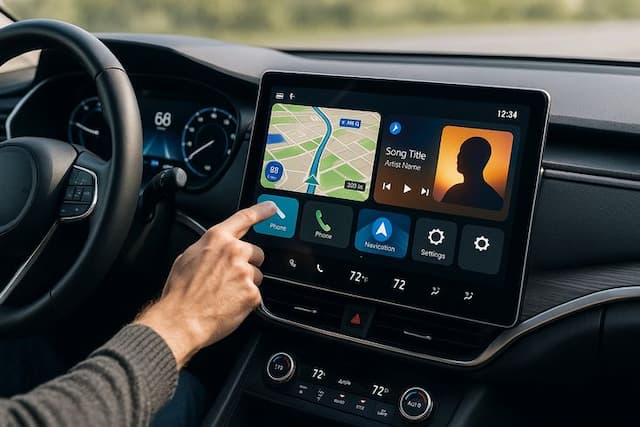
HUDs are part of a growing ecosystem of driver-assist technologies. Unlike dashboard touchscreens, which require drivers to look away, HUDs keep information aligned with the road. Compared to smartphone mounts, HUDs are safer because they reduce the temptation to interact with devices directly.
While advanced driver-assistance systems (ADAS) provide alerts, HUDs complement them by displaying those warnings in a way that doesn’t break concentration. This makes HUDs a bridge between traditional dashboards and fully integrated smart cars.
Beyond the Now
Heads up display technology is evolving rapidly. Some newer models integrate augmented reality, overlaying navigation arrows directly onto the road view. Others connect with driver-assistance systems, displaying lane departure warnings or collision alerts. As vehicles become more connected, HUDs are likely to integrate with smartphones and smart infrastructure, offering real-time traffic updates and hazard alerts.
For drivers, this means heads-up displays are not just about convenience, they’re becoming part of a broader safety ecosystem. Investing in one now provides immediate benefits while preparing for future innovations.
Better Driving Made Simple
Head up displays represent a practical step toward safer, more informed driving. By merging visibility, convenience, and modern technology, they allow drivers to stay focused while accessing the information they need most. Whether for daily commutes or long journeys, a car HUD display offers a clear advantage, making smarter driving not just possible, but effortless.