What starts as a bit of curiosity often turns into a full-blown hobby, complete with upgrades, late-night charging sessions, and the occasional “just one more run” that turns into ten.
Modern models are a long way from the basic toy versions many people grew up with. Today’s vehicles offer impressive speed, responsive handling, durable construction, and countless opportunities for upgrades. Some are built for racing, some for rough terrain, and others focus on precision driving and technical challenges.
If you’re new to the scene, it can feel like there’s a lot to take in at first—but once you understand the basics, everything clicks into place surprisingly quickly.
What Are RC Cars?
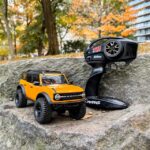
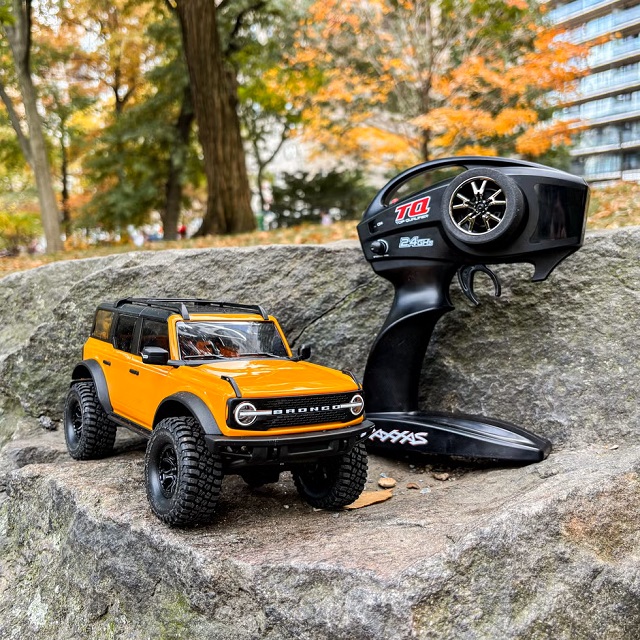
RC cars are radio-controlled vehicles operated using a handheld transmitter. Every steering input and throttle adjustment is sent wirelessly to the vehicle, allowing you to control its movement from a distance.
The hobby covers a huge range of vehicles, from compact backyard models to high-performance machines capable of reaching impressive speeds. Unlike toy-grade products, hobby-grade RC vehicles are designed with performance, maintenance, and upgrades in mind. Parts can be repaired, replaced, and customised as your skills develop.
That flexibility is one of the biggest reasons people stick with the hobby. Your first vehicle doesn’t have to be your last. Many enthusiasts continue to upgrade and refine the same model for years.
The Main Types of RC Remote Control Cars
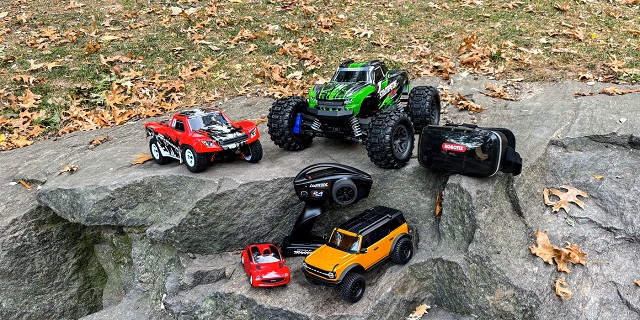
The first decision you’ll make is where you want to drive. Different styles are built for different environments, and choosing the right RC remote control cars can make a huge difference to your experience.
Touring Cars
Touring cars are designed for paved surfaces such as roads, driveways, and purpose-built tracks. They sit low to the ground, corner sharply, and deliver a driving experience that feels similar to circuit racing.
Drift Cars
Drift cars prioritise sideways action over outright speed. Special tyres allow the vehicle to slide through corners while maintaining control. They require practice, but few styles are as satisfying once you start linking drifts together smoothly.
Buggies
Buggies are often recommended for newcomers because they handle a variety of surfaces well. Dirt, gravel, packed earth, and short grass are all within their comfort zone. Their lightweight design and responsive handling make them enjoyable for both casual driving and organised racing.
Monster Trucks
Monster trucks bring plenty of personality to the hobby. Large tyres, generous suspension travel, and high ground clearance allow them to tackle rough terrain while soaking up jumps and hard landings.
Rock Crawlers
Crawlers take a completely different approach. Instead of focusing on speed, they concentrate on traction and control. Drivers carefully navigate rocks, logs, and obstacles, turning every challenge into a test of precision.
When most people picture RC remote control cars, they’re usually imagining a buggy, monster truck, or touring car. Each offers a different driving experience, so it’s worth considering where you’ll spend most of your time behind the wheel.
Electric vs Nitro RC Cars
One of the biggest choices for beginners is choosing between electric and nitro power.
Electric vehicles dominate the hobby today for good reason. They’re simple to operate, easy to maintain, and ready to drive after the battery is charged. Modern battery technology delivers excellent performance, with many electric models offering impressive acceleration and top-end speed.
Nitro-powered vehicles use a specially formulated fuel and a small combustion engine. The engine sound, exhaust note, and tuning process appeal to hobbyists who enjoy the mechanical side of the experience.
Electric models generally make the most sense for a first purchase because they allow you to focus on driving rather than maintenance. Charging a battery is quicker and simpler than tuning an engine, making it easier to spend more time on the track and less time in the workshop.
Understanding RC Car Scales
Scale refers to the size of the model compared to a full-sized vehicle.
A 1:10-scale model, for example, is approximately one-tenth the size of its real-world counterpart. Scale affects everything from handling and speed to storage and transport.
Smaller scales, such as 1:18, are convenient if you’re short on space. They’re easy to transport and can be driven comfortably in smaller areas.
The 1:10 scale remains the most popular choice across the hobby. Parts are widely available, upgrade options are extensive, and the vehicles strike a great balance between performance and practicality.
Larger scales, such as 1:8 and 1:5, offer greater stability and a stronger road presence. They’re impressive to drive but require more space and a larger budget.
Before choosing a scale, consider where you’ll be driving. A large RC car needs room to stretch its wheels, while a compact model can provide plenty of fun in a backyard or local park.
Key Features to Look for When You’re Starting
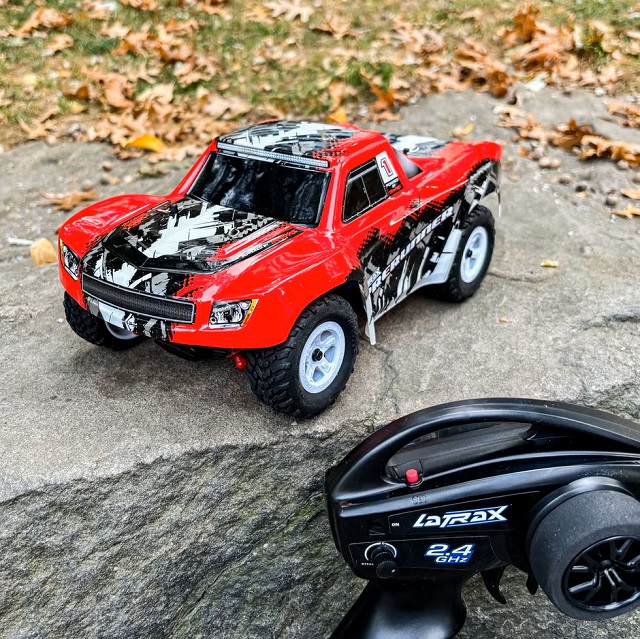
It’s easy to focus on speed when comparing models, but several other features will have a bigger impact on your enjoyment.
Battery Performance
Battery capacity directly affects runtime. Longer runtimes mean fewer interruptions and more time behind the controller. It’s also worth considering charging times and whether spare batteries are available.
Drive System
Two-wheel drive models are typically lighter and more affordable. Four-wheel drive systems provide better grip and control, particularly on loose or uneven surfaces.
Suspension
A quality suspension system improves handling and helps absorb impacts. This becomes especially important if you plan to drive off-road or attempt jumps.
Durability
Crashes happen. They are part of learning. Strong chassis materials, durable suspension components, and readily available spare parts can save both frustration and money.
Upgrade Potential
One of the most rewarding aspects of the hobby is customisation. Being able to upgrade motors, batteries, suspension components, or tyres gives your vehicle room to grow alongside your skills.
A beginner-friendly RC car should offer a balance of performance, durability, and upgrade potential without being overly complicated to maintain.
Conclusion
Getting started in the RC hobby doesn’t require expert knowledge or years of experience. A basic understanding of vehicle types, power systems, scales, and key features is enough to make a confident first purchase.
Think about where you want to drive, how much maintenance you’re comfortable with, and the kind of experience you’re looking for. A touring car, buggy, monster truck, drift car, or crawler can all provide hours of enjoyment when matched to the right environment.
The best part is that your first vehicle is often just the beginning. As your confidence grows, you’ll discover new driving styles, upgrades, and challenges that keep the hobby interesting long after those first few runs.