Have you ever wondered how to transform your daily cup of tea? Try switching to a loose-leaf tea for a richer taste. And if you’re bothered by the debris in your cup, just get a good tea strainer.
A tea strainer won’t just filter leaves but will also bring the full aroma of your loose-leaf blend. There are many options, from classic mesh and elegant ceramics to eco-friendly bamboo, and they each play a role in elevating your tea ritual. Whether you crave convenience, flavour depth, or a touch of tradition, you’re a tea strainer away from a whole new world of taste. Make each cup meaningful and find out how the right one brings your dreams to life.
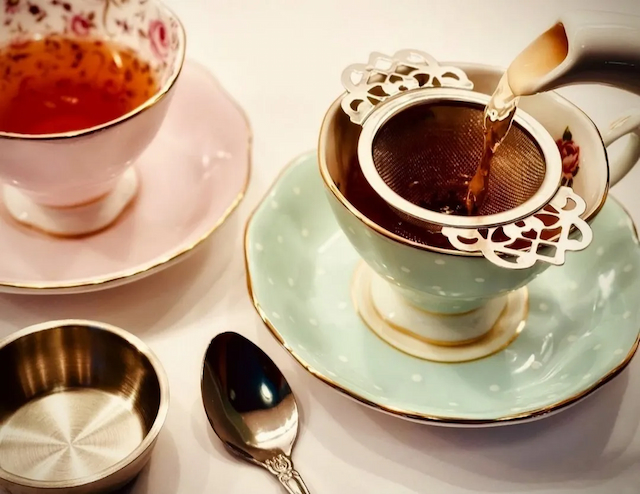
Tea Strainer vs. Tea Infuser: What’s the Difference?
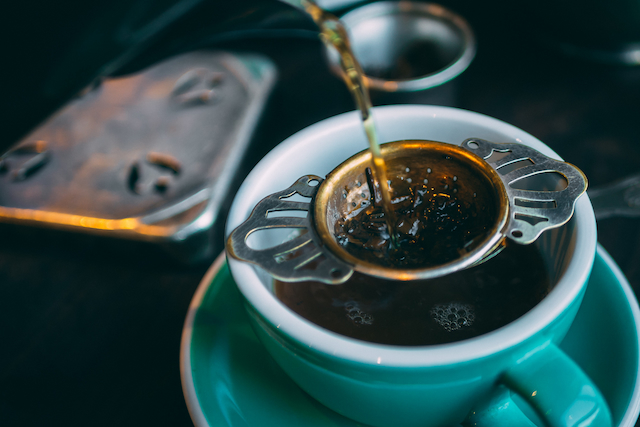
Tea leaf strainers and tea infusers are both helpful tools for making loose-leaf tea. However, they play different roles and suit different brewing styles.
Tea Strainer
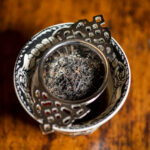
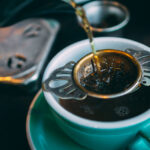
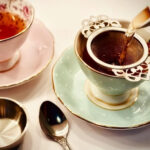
You might prefer brewing your tea leaves directly in a pot or pan without a brewing basket. Skip the basket and let your practical tea strainers catch the loose leaves as you pour the tea. Typically, they are made of fine mesh and rest on the rim of your cup, catching any loose leaves or fine particles that are trying to get away from the brewing pot.
With this method, you’ll get a fuller extraction of flavours and a clear and leaf-free drink. A tea strainer is particularly useful for brewing larger amounts of tea when the leaves need steeping for longer periods without worrying about bitterness from over-steeping, since the leaves remain in the pot and you strain only when pouring.
Tea Infuser
In contrast, a tea infuser holds your loose tea leaves during the brewing process. Think of it like a container that sits in the pot and holds the loose leaves while they are in the boiling water. Infusers often come as a mesh ball, basket, or silicone holder. This way, the water can circulate the tea leaves and extract the flavour without the need to strain it later. It’s safe to say that infusers are a great option for making one or two cups of tea, especially if you are in a hurry.
However, the leaves being placed in the infuser make them more restricted, so they might not expand as fully as they would when brewed loose. If you’re the type who enjoys multiple cups of tea throughout the day, a loose-leaf tea strainer is perfect for you, making sure as much tea as you can get is produced. On the other hand, if you just want a cup of tea now and then, very easily without any mess, an infuser is the best solution. It all depends on your perspective: how hands-on or not you would like your tea ritual, flavour extraction and convenience to come into the equation.
A Brief History of Tea Strainers
Like almost everything else in history, tea strainers have somewhat murky origins. However, based on what we know about them, we can say they have a rich and charming history. People always needed a way to keep loose leaves, debris and even insects out of their tea.
Their story dates back centuries in ancient China, where the first attempts at strainers were made with materials available to them, such as bamboo. They also used to brew tea traditionally in small teapots with built-in strainers. In Japan, the bamboo strainer whisk was used to froth powdered tea with water.
As tea culture spread in Europe and other parts of the world, tea strainers began evolving. Europe embraced the strainer in the 17th and 18th centuries. Back then, sophisticated tea sets with elegant silver or brass strainers became popular among the wealthy.
These clever pieces addressed the simple problem of having tea leaves floating freely in a cup, making each sip rich and smooth. In the early 1900s, stainless steel strainers began to appear on the market. But this time, they had to compete with tea bags that were accidentally invented, forever changing tea brewing.
Although tea bags are convenient, traditional tea strainers never lost their charm. Today, they’re made out of different materials and styles, proving that a simple tool can have a story with tradition and elegance.
Types of Tea Strainers
When exploring today’s market, you’ll find different tea leaf strainers to suit your preferences and habits. Here are the types of strainers available:
- Tea bag strainer: Reusable mesh strainers shaped as tea bags for easy cleanup, great for single cups and larger quantities.
- Silicone tea strainer: A flexible, heat-resistant tool for easy, mess-free steeping, available in playful shapes and colours.
- Perforated tea strainer: Rather than mesh, it is made out of stainless steel with small holes for long-lasting use.
- Electric tea strainer: Part of a smart tea-making appliance, like an electric kettle that heats water and steeps loose-leaf tea automatically.
- Wooden tea strainer: A natural, eco-friendly tool made from a single piece of wood with perforations, giving a rustic look to your tea setup.
- Multi-purpose strainer: A handy mesh kitchen tool used for rinsing, draining, sifting and filtering tea as well as fruits, pasta and sauces.
Materials: Pros and Cons
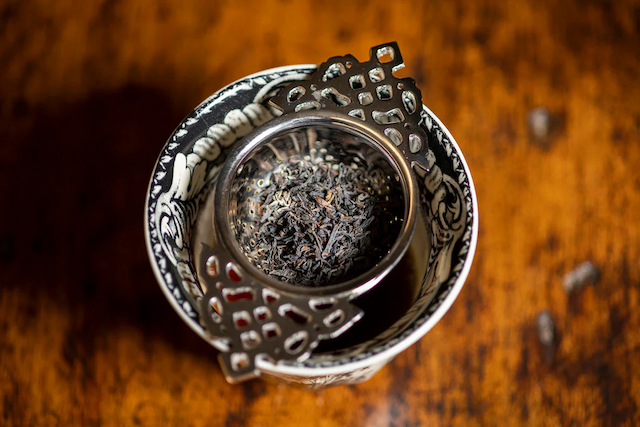
The whole brewing experience depends on the tea strainer you choose. Take a look at the most common materials, review the following pros and cons list and get a strainer that suits your style:
- Stainless steel tea strainers are a safe option and an all-time favourite. The fine mesh can easily catch dust and finely chopped tea leaf pieces. It’s a material that’s easy to clean, durable and rust-resistant, allowing you to make the most of it for years to come. Most importantly, it doesn’t affect the taste of your tea, but it gets very hot, so be careful handling it right after steeping.
- Silicone strainers are also easy to clean. Unlike stainless steel strainers, they are fun and flexible. Often, they have larger holes, so a bit of sediment is expected. Cheaper versions tend to have a slight plastic flavour, so people usually opt for BPA-free versions.
- Ceramic and porcelain are an elegant touch to your set. Due to their delicate nature, handle them carefully and enjoy the enhanced flavours.
- The eco-friendly versions of tea strainers are made out of bamboo. They give out a natural look and feel. The only downside is their limited durability and higher care requirements.
At the end of the day, tea strainers are not a strain on your budget and you can definitely experiment with two or more types and materials to figure out which style suits you best.
Final Thoughts
Strainers are simple yet powerful tools that uplift your whole loose-leaf tea experience. Understanding the different types and materials helps you choose one that best fits your brewing style, making every cup of joy smoother, more flavourful and just a touch more special.