Bugs are everywhere; you simply can’t avoid them. But one thing that is driving many people crazy is bugs messing with their trees. One day everything looks great, and then bam—leaves are full of holes or turning yellow out of nowhere. Insect infestations can really mess up a yard fast. And it’s not just about how it looks. But if you don’t deal with it early, the tree can get weak or even start dying.
And one species is specifically keen on eating your trees. It’s a small beetle, but man, it can do a lot of damage. But don’t worry, there are many ways to get rid of the elm leaf beetle, either on your own or call professionals to do the job.
Understanding the Elm Beetle
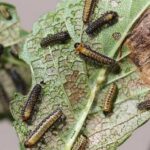
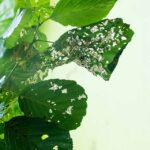
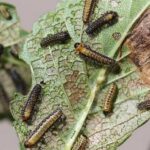
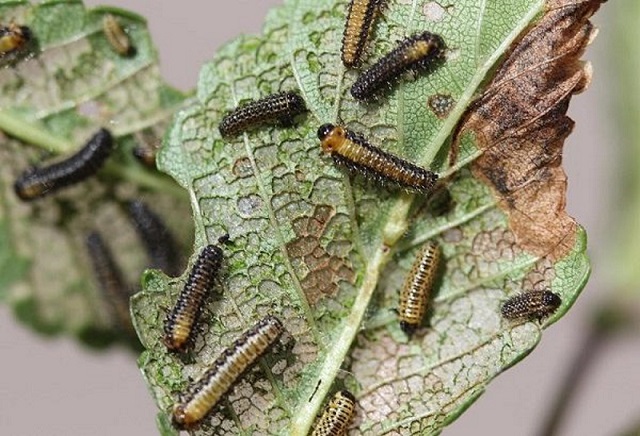
So, what is the elm leaf beetle? Okay, so they’re these little beetles that simply adore elm trees. The adults lay their eggs on the leaves, and when the babies hatch, they start munching. First, the larvae eat the soft parts of the leaf, and then the adults come along and chew little holes in them. Before you know it, the tree’s leaves look all ragged and sad.
And while it doesn’t kill the tree right away, if it keeps happening every year, the tree can get super stressed. You’ll see leaves turning yellow and falling off early, and the whole tree just looks sick.. So it’s not just ugly, it’s bad for the tree too.
That’s why it helps to know what they look like and catch the problem early. The sooner you get rid of an elm leaf beetle, the better the tree will bounce back.
How do I get rid of elm leaf beetles? – Integrated Pest Management (IPM) Approaches
When it comes to getting rid of elm beetles, just spraying them with something won’t cut it. There’s this thing called Integrated Pest Management, or IPM. It just means using a bunch of different ways to deal with pests, not just jumping straight to chemicals. There are several different ways to get rid of them: through cultural controls, mechanical controls, biological controls and chemical controls.
Cultural Controls
Cultural control is just a fancy way of saying take care of your trees the right way. Like, make sure they’re getting enough water, don’t over-fertilise, clean up fallen leaves and stuff like that. Keep the tree healthy so it’s strong enough to fight off bugs on its own. Healthy trees are way less likely to get overwhelmed by pests.
Mechanical Controls
Mechanical elm leaf beetle treatment means stuff you can do with your hands. Like, scraping off egg clusters or using sticky bands around the tree trunk to trap the beetles when they’re crawling up. Like catching them before they get to the leaves. It’s simple but super helpful, especially if you spot the problem early.
Biological Controls
Biological control means letting the “good bugs” do the work for you. Ladybugs, for example, love eating beetle larvae. So yes, you can fight bugs with more bugs. Sounds baffling, right? But it’s very effective. And it’s great because it doesn’t mess with the environment or other helpful insects.
Chemical Controls
If things get really bad and nothing else is working, that’s when you might need to use chemicals—but it should be the last option, not the first. And even then, it’s best to use the kind that targets beetles without hurting everything else. So only when you have to, and use it the right way. It’s all about balance. The goal is to control the beetles without causing more problems.

Monitoring and Early Detection
So, how do you even know if you’ve got elm beetles before it gets out of hand? Well, that’s where keeping an eye on things helps. Just check your trees now and then, especially the leaves. You should be looking for tiny yellow eggs on the underside of leaves, little blackish larvae crawling around, or leaves with holes or that weird skeleton look. The earlier you spot any of that, the easier it is to stop it.
So don’t just wait until the whole tree looks half-dead. Instead, walk around your yard every so often, flip over a few leaves, and check the trunk too. Some people even use sticky traps to see if beetles are hanging around. Sticky traps are like flypaper for beetles. They help you catch beetles early, before they do too much damage. It’s all about catching it before it turns into a big headache.
The sooner you catch them, the less you have to deal with later, and your trees will thank you for it!
When to Call a Professional
Ok, so you’ve tried everything and nothing seems to be working. Then it’s probably time to call in the pros. Honestly, there’s no shame in it. Sometimes it’s just too much to deal with on your own. Pros know exactly what to do.
Tree care people deal with this kind of stuff all the time. They can figure out how bad the infestation is, what’s working, what’s not, and they’ve got stronger treatments if you really need them. And that’s the best part about getting help, they know how to treat the tree without causing more problems. Plus, if you’re not sure what kind of bug is even causing the damage, they can tell you.
It actually might save you from wasting time guessing. So if things feel out of control or the tree looks worse every week, just get a professional. Better safe than sorry.