Choosing new cookware can make a noticeable difference to your everyday cooking. If you have an induction cooktop, the right pots and pans need to work with its magnetic cooking technology, matching the way you prepare meals. A good set can give you all of the essentials, but the number of pieces is only one factor to consider. There are several other things to consider if you want to have the right set in the kitchen.
Check That the Set Is Fully Induction Compatible
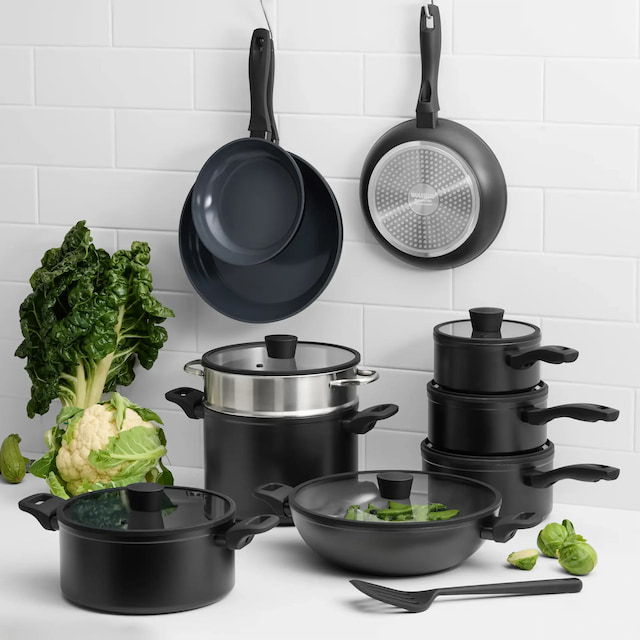
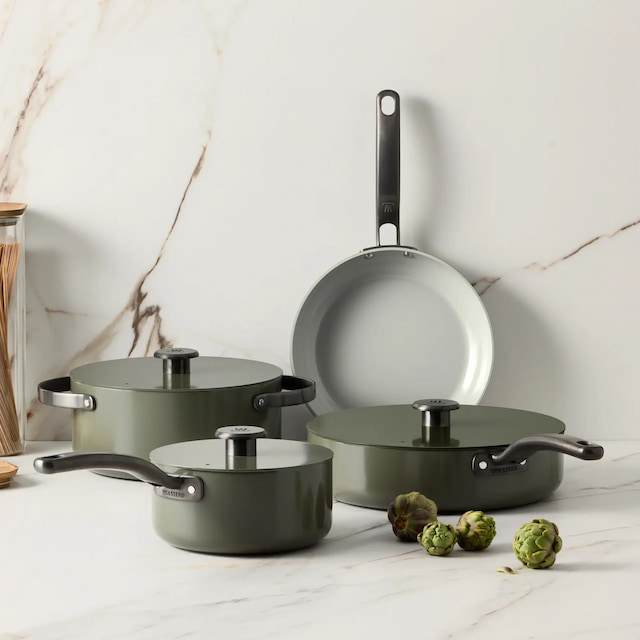
The first thing to do is check if the cookware is designed to work with an induction cooktop. These types of sets use a magnetic base that interacts with the electromagnetic field beneath the cooking surface. This allows the pan itself to heat quickly. Materials such as carbon steel, cast iron, and magnetic stainless steel work well with induction. Aluminium, copper, glass, and some stainless steel cookware need a magnetic base to become induction-compatible.
One simple test can tell you if the efficient and safe induction cookware set is the right deal: take a magnet. If it sticks firmly to the base, you have cookware suitable for induction. The type of induction base also matters. Full induction bases have magnetic coverage across the whole base. They provide more even heat distribution.
There are also partial induction bases. They work well, but they may not suit every induction cooktop. Make sure you check your cooktop’s requirements before making a purchase. This way you’ll avoid compatibility issues and the need to spend more money.
Choose the Right Cookware Materials
The material of the pots and pans will influence how they cook, heat, and handle everyday use. So, think about your cooking style before making a decision. Stainless steel is popular with chefs who want durable cookware that can handle a wide variety of recipes. It works great for simmering, boiling, browning, and cooking sauces.
Non-stick cookware is useful for foods that stick easily. This includes eggs, pancakes, and delicate fish. These pots and pans are easier to clean and don’t require cooking oil, which is always a big plus. More modern versions of these sets combine an aluminium core with an induction-compatible base for better heat distribution.
A lot of people love cast iron as a material because it offers excellent heat retention and works great for searing, slow cooking and frying. Keep in mind that it’s usually heavier than the other materials. So, if you’re not comfortable lifting more weight than usual, moving these pots and pans in the kitchen can be uncomfortable.
Match the Sizes to Your Cooking Habits
It’s not always the price that determines the quality of the set. Even if it’s the most expensive one, it’s all in vain if it doesn’t match the size requirements. A 24cm or 28cm frying pan can cover many everyday cooking jobs. A smaller saucepan will come in handy for sauces, veggies and cooking smaller portions. A stockpot is perfect for pasta, stews and batch cooking.
How many people do you usually cook for? If you’re doing it for two people, you may not need several large pots. A family kitchen, on the other hand, will benefit from having them because of their size and cooking capacity.
Your cooktop matters here as well. The base of each pan should match the size of the induction cooking zone. If the pan is bigger than the zone, there’s a chance it won’t distribute heat evenly across its whole surface. So, make sure you check the dimensions before investing your money in an induction cookware set.
Think About the Cooking Surface
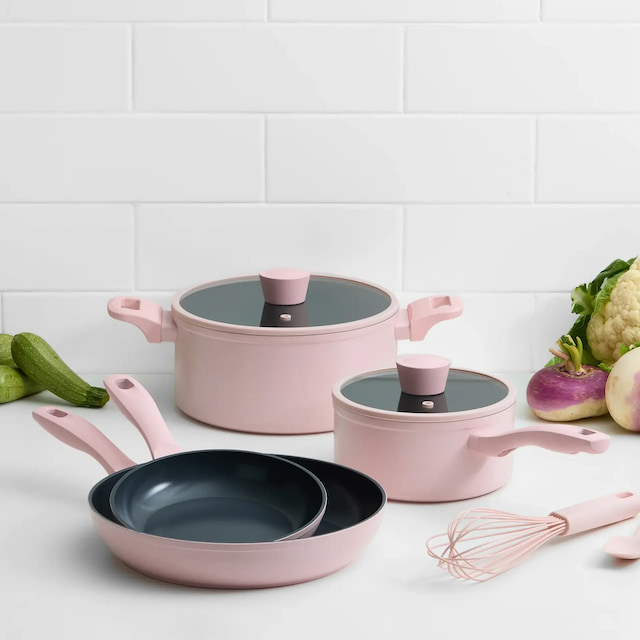
Once you know the sizes you need, consider the type of cooking surface that suits your routine. A non-stick surface is everyone’s favourite. It’s a practical choice for everyday meals. These pans are very handy for cooking breakfast foods, quick lunches and when handling delicate foods.
Stainless steel is another type of cookware. It can withstand higher temperatures because of its durable surface. With proper care, it can be used for many years. There is cookware that combines materials for better performance. An aluminium core, for example, can help distribute heat, while a stainless steel or magnetic base makes the cookware suitable for induction.
Look at Features
Small details can make a big difference, and an induction cooking set is not an exception. Look for handles that are comfortable to hold. These pans can get heavy in use. Glass lids are practical because they allow you to see inside without moving the lid and losing heat.
Pouring rims are another great addition because they transfer sauces and liquids with significantly less mess. Removable handles are also great. For easier storage, and this is important if you’re working in a smaller kitchen. Considering these small but practical things will make the cookware easier and safer to use.
Check Oven and Dishwasher Compatibility
Always check if the set you’re buying is oven- and dishwasher-safe. If you like finishing dishes in the oven, check the oven temperature and see if the lid or handle has a different temperature limit. Removable handles may also need to come off before going in the oven.
Dishwasher compatibility can save time during busy evenings, but always check the manufacturer’s care instructions. Some cookware is technically dishwasher safe, but hand washing is still the preferred method for maintaining its finish and coating in perfect condition.
Don’t Forget Storage
Before buying the set, make sure you think about storage. Every piece should have its place. A large collection can quickly take over a cupboard if the cookware does not stack or nest neatly. If the storage space is limited, look for nesting pieces and compatible shapes.
Removable handles can be practical in this case. Don’t forget about the lids because they take much more storage space than the pots and pans. With just a little planning ahead, you can choose a set that meets your needs and works well in both the kitchen and the cupboard.