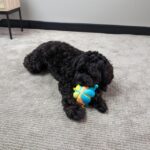
Bringing home a puppy is an exciting experience, and it doesn’t take long to discover that almost everything is a potential chew toy. Shoes, furniture legs, blankets, remote controls and even your favourite pair of socks can quickly become the centre of your puppy’s attention. While this behaviour can be frustrating, it’s also completely normal.
A puppy’s play preferences change rapidly throughout the first year of life. As they grow, their teeth develop, their jaw strength increases, and their confidence grows, meaning the toys they loved at eight weeks old may no longer hold their interest a few months later. That’s why it’s worth building a toy collection that evolves alongside them.
Why Puppies Chew More Than You Expect
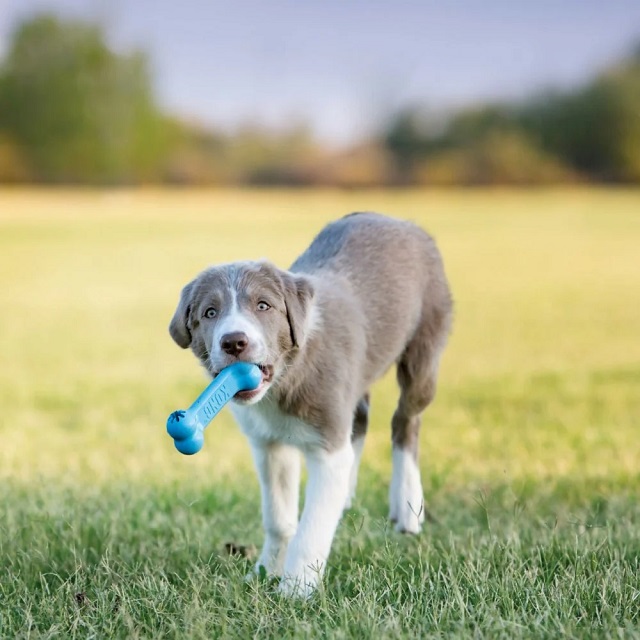
If your puppy seems determined to chew everything in sight, don’t worry—that’s a normal part of growing up. Chewing helps puppies explore the world, soothe sore gums during teething and burn off some of their endless energy. It also keeps their minds busy, especially when they’re left with engaging toys instead of household items.
Giving your furry companion some chewing toys for puppies from the start makes it easier to redirect that natural instinct. Instead of worrying about your shoes or furniture, you can encourage healthy play while helping your puppy stay entertained and comfortable.
Matching Toys to Each Stage of Puppyhood
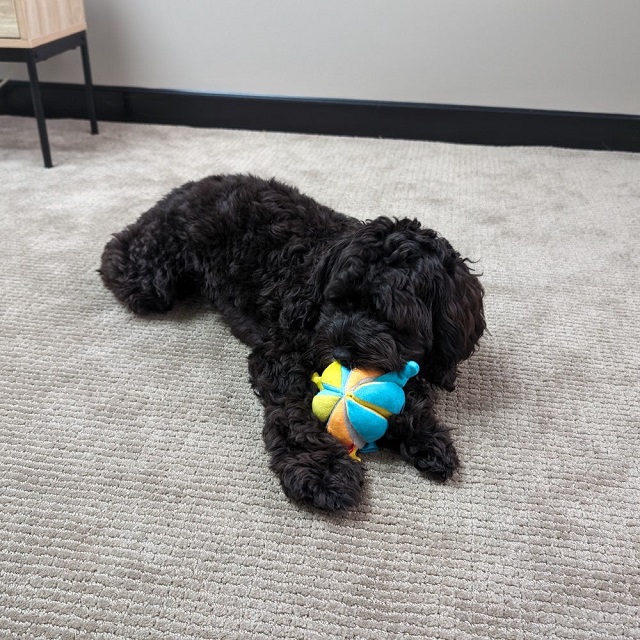
As your puppy grows, so do their chewing habits. Choosing age-appropriate puppy chewing toys helps keep play safe while ensuring each toy remains interesting and suitable for their stage of development.
Early Puppyhood: Gentle Exploration
Very young puppies are still developing coordination and confidence. Soft plush toys, lightweight rubber toys and small comfort toys often become favourites because they’re easy to carry and gentle on sensitive mouths.
At this stage, introducing different textures encourages exploration without overwhelming your puppy.
Active Teething
Once teething begins, chewing naturally becomes more frequent. Durable rubber toys, textured chew toys and toys designed specifically for teething puppies provide satisfying resistance while remaining gentle on developing teeth.
You can also rotate toys throughout the week to maintain interest and prevent boredom.
Growing Confidence
As puppies become stronger and more adventurous, they usually seek greater challenges.
This is an ideal time to introduce:
- Treat-dispensing toys
- Puzzle toys
- Rope toys for supervised tug games
- Durable fetch toys
- Interactive enrichment toys
These activities keep both body and mind engaged while encouraging positive chewing habits.
Young Adolescent Dogs
Older puppies often develop stronger jaws and longer attention spans. At this stage, sturdier toys become increasingly important. Durable rubber chews, tougher enrichment toys and interactive games continue providing stimulation while matching your puppy’s increased strength.
Regularly checking toys for wear becomes especially important as chewing power increases.
Creating Variety to Keep Puppies Interested
Imagine eating the same meal every day or playing the same game every afternoon. Eventually, even your favourite activity would become less exciting. The same applies to puppies.
Rotating different puppy chewing toys keeps playtime fresh and encourages your puppy to stay interested without constantly buying new toys. A balanced toy collection might include several categories:
- Soft comfort toys for quiet moments.
- Rubber chew toys for teething relief.
- Interactive puzzle toys for mental enrichment.
- Rope toys for supervised games.
- Durable fetch toys for active play.
- Treat-dispensing toys to encourage problem-solving.
When It’s Time to Upgrade or Replace Toys
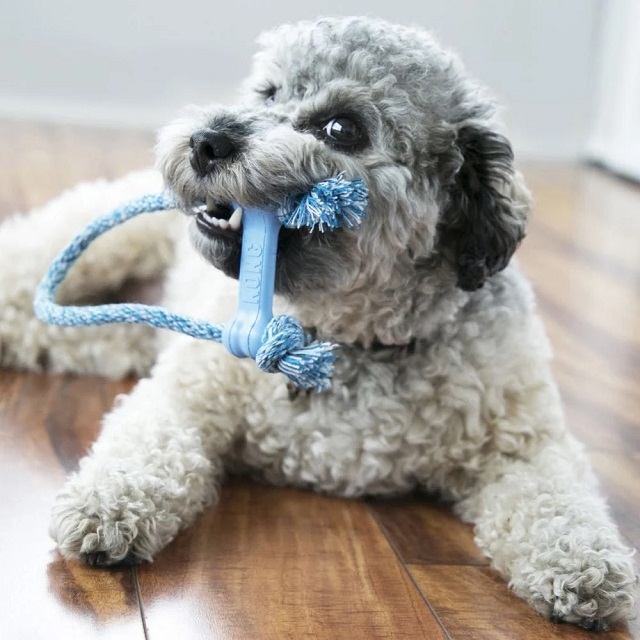
No toy lasts forever, particularly in the mouth of an enthusiastic puppy. Regularly inspecting puppy chewing toys helps keep play safe while ensuring your pet continues enjoying suitable challenges.
Watch for Signs of Wear
Discard toys that show:
- Large tears
- Loose stitching
- Cracks in rubber
- Detached pieces
- Significant fraying
- Broken squeakers or exposed filling
Damaged toys can become choking hazards if your pup swallows some pieces.
Consider Your Puppy’s Size
A toy that suited an eight-week-old puppy may quickly become too small. As your puppy grows, larger toys often provide a safer and more enjoyable chewing experience.
Match Their Chewing Strength
Some puppies become powerful chewers surprisingly quickly. If toys are consistently being destroyed within days, consider gradually introducing more durable options designed for stronger chewers while still following age recommendations.
Refresh the Toy Box
Replacing every toy isn’t always necessary. Sometimes simply introducing one or two new options while rotating older favourites keeps your puppy engaged without overwhelming them.
Final Thoughts
Every puppy develops at their own pace, but one thing remains consistent: chewing is a normal and important part of growing up. Rather than trying to stop the behaviour entirely, the goal is to guide it towards safe, engaging and age-appropriate toys.
By choosing chewing toys for puppies that match each stage of development, rotating different styles to maintain interest and replacing worn items when needed, you’ll create a toy collection that grows alongside your puppy. This not only supports healthy chewing habits but also provides valuable mental stimulation, encourages independent play and helps protect your household belongings.