Few adhesive brands carry the reputation that Tesa has built up over more than a century, with the German manufacturer trusted across trade, industrial and DIY settings as a byword for reliability. From sealing packaging through to protecting glass during installation, this brand makes a tape for nearly every job you can throw at it and knowing what’s actually on the shelf is the first step to getting real value out of it. This guide runs through the main types available, along with the factors that decide which one is right for your job.
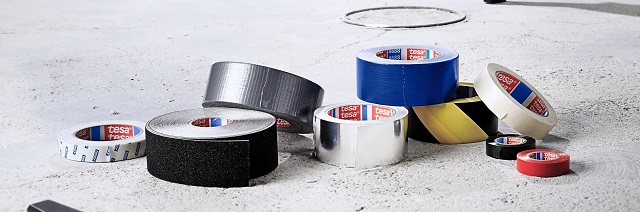
Types of Tapes
Packaging
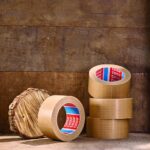
Packaging tape is probably the most familiar type to most people, since it’s the one used to seal boxes, cartons and parcels before they head out the door. Tesa packaging tape typically uses a polypropylene or PVC backing with an acrylic adhesive, which helps it hold firm across a range of temperatures without turning brittle or peeling away at the edges. Businesses that ship a lot of stock favour it, since it applies quickly and gives a clean, secure seal, unlike older methods like string or staples.
Glazing
Glazing tape is designed specifically for window and glass installation, where it acts as a spacer and seal between the glass pane and the frame. Since this application demands a tape that won’t degrade under UV exposure or moisture, glazing tape is usually made from a foam core with a strong acrylic adhesive on both sides, which keeps the glass firmly in place while also cushioning it against vibration. Tradies in construction rely on it heavily, as it reduces the risk of cracked glass and helps maintain a weatherproof seal.
Duct
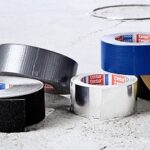
Duct tape is one of the most versatile products around and its reputation as an all-purpose fix-it tool is well earned given how many trades and households keep a roll on hand. Made from a cloth or polyethylene backing with a rubber-based adhesive, duct tape is built to handle rough surfaces and outdoor conditions, which is why it’s commonly used for temporary repairs, bundling cables and sealing ducts, as the name suggests. While it isn’t meant for permanent fixes, it’s quite reliable as a short-term solution when something needs to be held together fast.
Cloth
Cloth tape, sometimes called gaffer tape, is woven from cotton or synthetic fibres and coated with a strong adhesive, giving it a texture that’s easy to tear by hand rather than needing scissors. This makes it a favourite on film sets, in theatres and at live events, where quick application and removal without leaving residue behind matters just as much as strength. Unlike duct tape, cloth tape is designed to come off cleanly, which is why it’s often the better choice when working on surfaces you don’t want to damage.
Foam
Foam industrial tapes are built around a soft, compressible core that’s ideal for filling gaps, absorbing shock and creating a seal between two surfaces that aren’t perfectly flat. It’s typically used in applications like weatherproofing, soundproofing and mounting lightweight fixtures, since the foam core helps it conform to uneven surfaces in a way that thinner tapes simply can’t manage.
Double-Sided
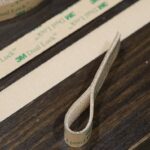
Double-sided tape has adhesive on both faces, which makes it perfect for mounting, bonding and joining two surfaces together without any visible tape line. It’s widely used in signage, automotive trim and general assembly work, as it offers a cleaner finish than screws or brackets while still providing a reasonably strong hold. Some double-sided tapes are designed for permanent bonding, while others are removable, so it pays to check the adhesive strength before assuming it will suit a long-term application.
What Matters in Industrial Tape
Assembly
As with all industrial supplies, choosing the right tape means you should consider certain factors first. How it will be used during assembly is one of the most important. Some tapes are designed to hold components together temporarily during a build, while others are meant to provide a permanent bond once everything is in place, so understanding the end goal helps avoid using the wrong product for the job. Getting this wrong can mean components shifting out of place or a bond that fails early, which usually costs more time and materials in the end.
Substrate
The surface a tape is being applied to, known as the substrate, plays a huge role in how well it performs, since not every adhesive bonds equally well to every material. Tape that works brilliantly on smooth metal might struggle on textured plastic or painted wood, which is why it’s worth checking the manufacturer’s recommendations before committing to a particular roll.
Use
Finally, the specific use case, whether that’s indoor or outdoor, short-term or long-term, light-duty or heavy-duty, should guide the final decision more than anything else. An industrial tape rated for outdoor use will typically include UV and moisture resistance that an indoor-only product won’t need, while a tape meant for heavy-duty holding will usually have a thicker adhesive layer and stronger backing material.