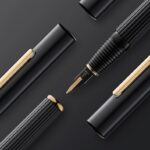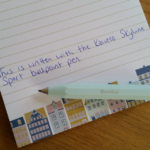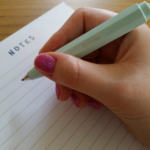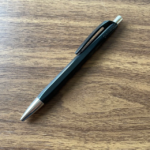
Fountain pens had a certain charm, but they could be messy and impractical. Their convenient replacement was the ballpoint pen. When first introduced to the writing scene in the early 20th century, it promised an end to the messy mishaps users of fountain pens often encountered.
The new invention solved this problem using a special viscous ink that dried quickly and didn’t smear. At the heart of it, the tiny rolling ball in the nib controlled the flow of ink, transferring just the right amount onto the page as you wrote.
The Convenience of a New Writing Tool
Less Mess
One big advantage of a reliable ballpoint pen is that you can pick it up and write straight away. Unlike a fountain pen, there is no ink bottle to carry around or nib to dip into ink. The ink is stored inside the pen, which makes leaks and spills much less of a concern.
Ballpoint ink also dries quickly, helping to keep your notes, paperwork and hands cleaner. There’s less chance of accidentally dragging your hand across wet ink and leaving a smudge behind. For anyone who has ever closed a notebook only to find ink marks across the page, that is a welcome change.
Affordable
The new writing tool was clean and convenient. What it wasn’t was cheap. When the first commercially successful ballpoints hit the market in the mid-1940s, they were expensive enough to be considered a luxury. One early model sold for $12.50, which is equivalent to more than $200 in 2026.
However, that didn’t last. Once manufacturing improved and ballpoint pens became easier to produce on a large scale, their price dropped. By the time inexpensive pens became widely available, you could buy them in bulk for a fraction of what those early models cost.
Today, ballpoints are affordable, and they’re often sold in packs, making it easy to keep a few on hand. That makes it an easy choice for everyday writing, particularly when you need several pens at once or don’t want to worry about losing one.
And if your favourite ballpoint eventually runs out of ink, many models can be refilled. Others are inexpensive enough to replace without much thought. Either way, you don’t have to treat your pen like a precious possession.
Although it may not have the character of a fountain pen, when you need something reliable that you can grab and write with straight away, it’s hard to beat.
Easy to Use
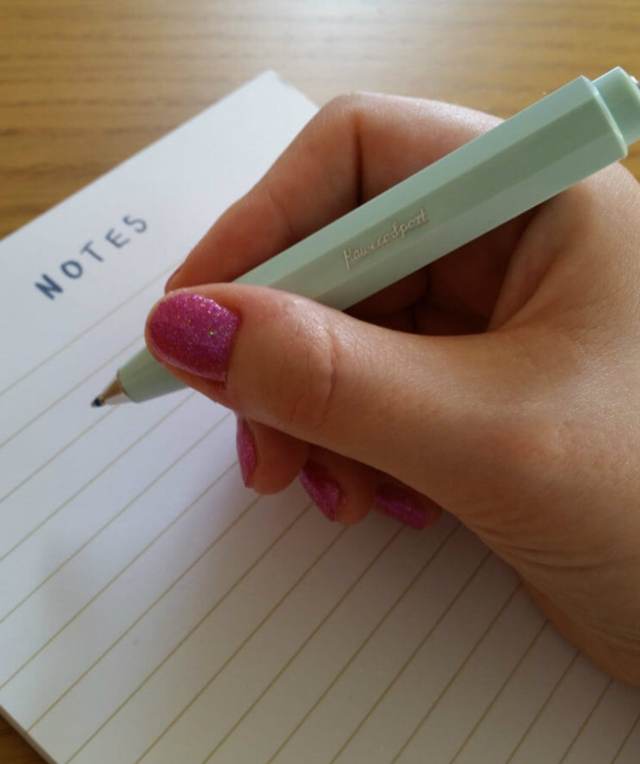
A fountain pen requires a little more attention to how you hold it and how much pressure you use. A ballpoint is generally much more straightforward. Click or uncap the pen, put it to paper and start writing.
This makes ballpoint pens handy when you need to jot something down quickly. Whether you’re making a shopping list, signing a form, taking notes in a meeting or writing a quick reminder, there is no preparation involved. You don’t need to shake the ink, refill a reservoir or worry about a delicate nib.
Their versatility adds to the convenience, too. These practical writing tools come in different ink colours and tip sizes. You can choose one for everything from everyday notes to more precise writing. Many also use retractable mechanisms, meaning there is no cap to lose and no exposed tip when the pen is tucked into a pocket or bag.
Versatile
Another advantage of pens that use a rolling ball is their versatility. Unlike fountain pens, which are mainly intended for smooth paper, they can handle a wider range of surfaces. Their rolling ball can apply ink to materials such as cardboard, wood, leather, and paper.
Designer Options
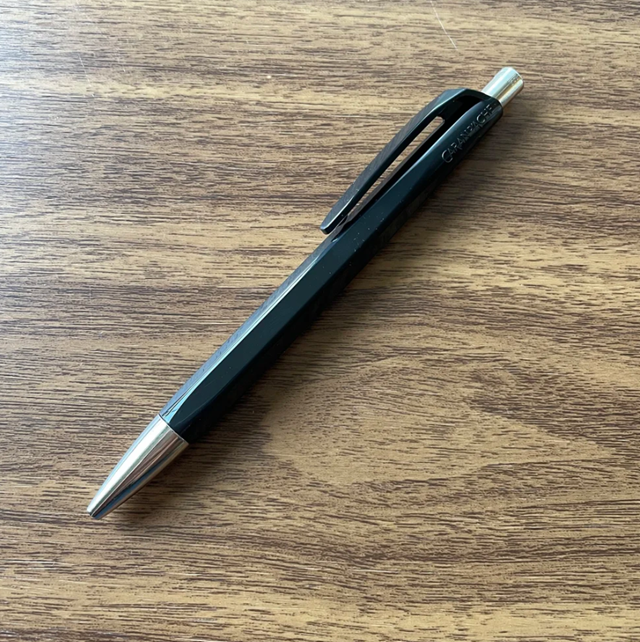
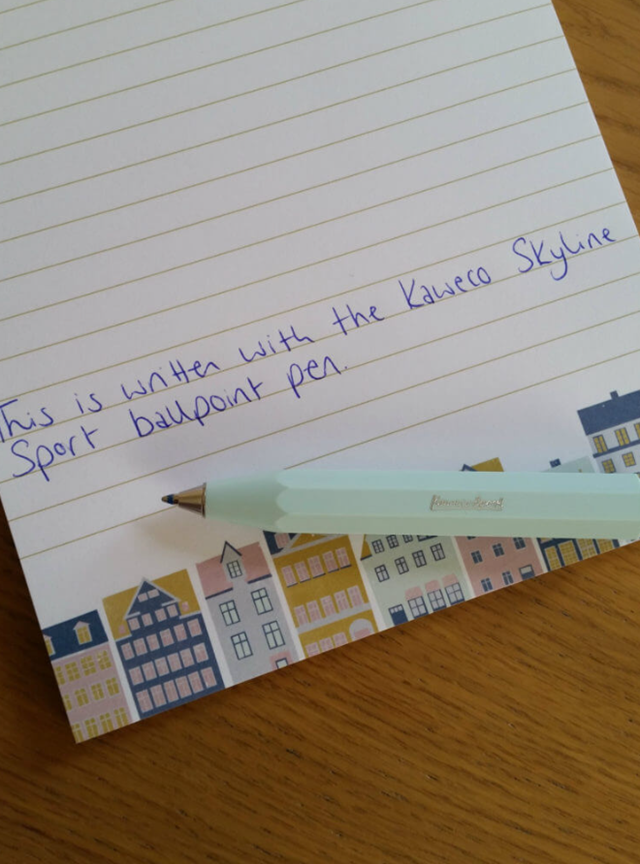
Convenience doesn’t mean you have to compromise on style. Designer pens can add more thought to your writing experience. A regular ballpoint usually has a lightweight plastic body, a simple clip and a basic click or cap mechanism. Their design is usually functional rather than decorative, with little attention given to premium finishes or intricate details. It’s affordable, practical and easy to replace, rather than a statement. Designer models, on the other hand, may feature metal, lacquer or other quality materials, distinctive finishes, and carefully considered shapes.
Although both designs may use the same convenient ballpoint mechanism and quick-drying ink, the difference is often in the details. A well-balanced body is more comfortable to hold, while a quality finish can make the pen feel more substantial and enjoyable to use. Some designed models may also feature refillable mechanisms, allowing you to keep the same pen and replace the ink when it runs out.
Price is another obvious difference. Basic ballpoints are inexpensive and often sold in packs, making them easy to replace. Designer pens can cost considerably more, particularly when they come from established writing brands or use premium materials.
In this instance, you’re paying for more than something to write with. You’re also paying for the design, craftsmanship, materials and the experience of using it.
For some people, that’s part of the appeal. If you’re going to use a pen every day, choosing one that looks good and feels comfortable can turn an ordinary writing task into a little more enjoyable.