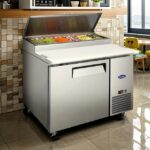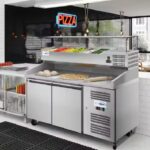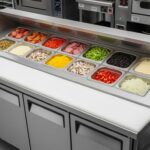
Could one piece of equipment really be the thing your entire restaurant’s kitchen is built around? For most pizzerias, the commercial pizza prep fridge is exactly that. It’s where staff top the dough, build every pizza, and keep everything flowing the way it should before a single pie hits the oven.
Once you better understand what this crucial piece of equipment actually does, why it matters, and how to choose the one that fits your kitchen, you’ll see why it’s worth getting right the first time.
What is a Pizza Prep Refrigerator?
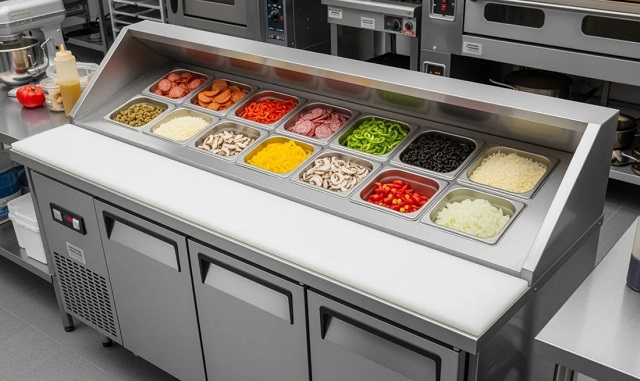
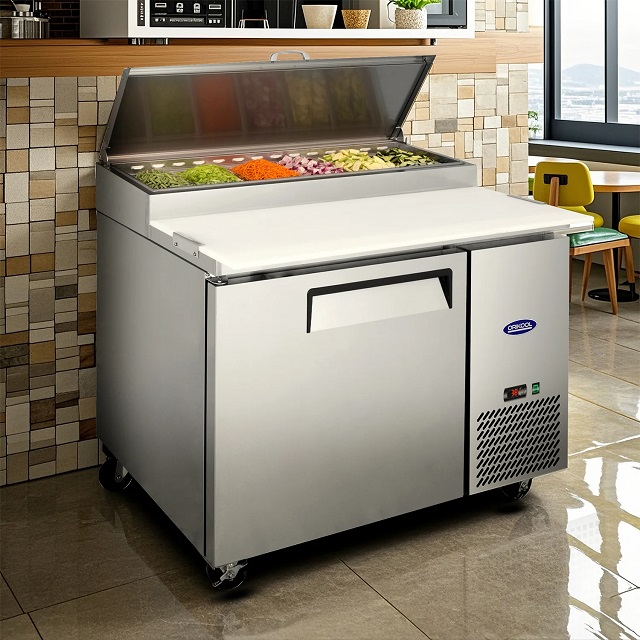
A commercial pizza prep refrigerator, also called a pizza prep table or make table, is a specialised kitchen workstation that combines cold ingredient storage with a built-in cutting board for assembling pizzas.
Worldwide, pizza demand in restaurants and takeaway shops is expected to hit 317,000 tonnes by 2027, up from just 264,000 tonnes a decade earlier. The appetite for pizza clearly isn’t slowing down anytime soon.
With those numbers, kitchens that prioritise good customer experience need to stay on top of their game and be prepared at all times. That’s exactly what a commercial pizza prep fridge is built to do.
Where Every Pizza Starts
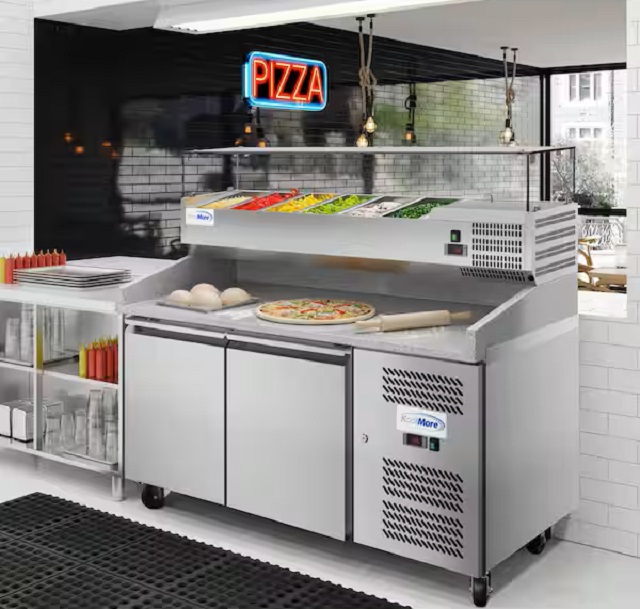
Think of these tables as the workstation every pizzeria is built around. Kitchens can choose a commercial pizza prep refrigerator in different sizes and capacities, so there’s just enough storage for cold ingredients without taking up too much space. They also have a solid prep surface, allowing you to work your dough while keeping cheese, sauce, and toppings within arm’s reach.
A common mistake pizza places make is getting one that doesn’t work for their space. If the pizza prep table doesn’t work as it should, everything can go downhill fast. The dough goes soft, tickets pile up, and staff end up working against their gear instead of making the most of it.
More Than Just a Fridge
If you’re thinking a standard reach-in fridge could do the job instead, it’s worth knowing why that’s not the best alternative. Every time you need an ingredient, you have to open a door, which slows you down, wastes electricity, and disrupts the internal temperature.
A pizza prep table skips that step. Toppings sit in a raised rail right above the workspace, angled so staff can grab them quickly without interruption. Underneath it, there is a refrigerated base for bulk stock, built as a compartment with doors or drawers.
Where the Real Work Gets Done
The cool thing about these tables is that they also serve as an assembly desk. They’re typically 35 to 48 centimetres deep, which is plenty of room for building large pizzas without ingredients spilling everywhere. You can set the toppings in Gastronorm pans, which slot neatly into the rail and keep each ingredient easy to locate and reach.
A pizza prep fridge makes the difference between a kitchen that works without disruptions and one that makes a Friday night rush stressful. The right one supports a fast, consistent workflow while keeping your ingredients safely chilled.
The Benefits of a Pizza Prep Fridge for Commercial Kitchens
Every pizza starts long before the first order comes in. The dough, sauce, cheese, mushrooms, veggies and all other toppings need to be prepped and ready the moment a ticket hits the board. That’s easier said than done when half those ingredients spoil the moment they sit out in a warm kitchen.
Everything is easier once you invest in commercial pizza prep fridges. You’ll deal with less waste, faster service, and one less thing to worry about when the kitchen gets slammed.
Faster Service During Rush Hour
If you’ve ever worked a Friday night in a busy kitchen, you know what chaos looks like. But when every ingredient sits right where staff need it, there’s no running back and forth to a walk-in mid-order. That’s the only way to get pizzas assembled quickly, even as tables keep filling up.
Keeps Ingredients Safe to Serve
The typical pizza ingredients don’t do well in a warm kitchen: the pepperoni turns greasy, cheese sweats and softens, and the fresh ingredients become soggy. Pizza prep stations have units that hold ingredients cold both above and below the prep surface, keeping everything within food safety limits and cutting down on waste from spoiled stock.
Makes the Most of Tight Kitchen Space
Some people dream of running a pizzeria and go for it, but before that dream becomes a big brand, it usually starts small. In a compact kitchen, you still need room for a prep table, a pizza oven, and other essential appliances.
That’s why pizza prep refrigerators come in compact models built for smaller layouts. And while these smaller setups can’t hold the same volume, they still offer enough compartments to make work possible.
Also, storage and prep surface live in one compact footprint instead of two separate pieces of equipment. That’s a real win in places where every bit of floor space has to earn its place.
Consistent Quality With Every Single Pizza
With ingredients organised and portioned the same way each time, staff can build every pizza by the same pattern: same toppings, same amounts, same result. That kind of consistency is what keeps customers coming back.
Types of Cooling Technologies
The cooling system in a pizza refrigerator works similarly to the engine in a car. Basically, it’s what keeps everything running smoothly behind the scenes. There are different types, and each one has its own strengths. Knowing the differences can help you pick the right one for your kitchen.
Forced-Air Cooling
This is the classic, most common setup. It relies on fans spaced evenly to push cold air across every ingredient pan. This way the temperatures stay stable, lids recover fast after being opened, and repairs are usually quick and pretty straightforward. However, the constant airflow can dry out fresh toppings a bit faster over time.
Cold-Wall Cooling
Instead of fans, these systems cool directly through the rail walls using conductive plates rather than moving air. That means less drying for delicate veggies and, overall, much better energy savings as the rail can be shut down overnight while the base keeps running. The main downside is slower recovery once the rail is switched back on.
Liquid Glycol Cooling
The liquid glycol cooling systems are considered the premium option in the world of commercial pizza refrigerators. They work by circulating chilled glycol beneath the pans rather than relying on air or conduction. They handle deeper pans, skip defrost cycles entirely, and hold precise temperatures, but come with a higher price tag and more involved servicing.
Single-Cavity Cooling
This design relies on the base fridge to cool the rail by convection alone, with no dedicated rail circuit. It’s not really consistent, as the base often ends up too cold while the rail runs too warm, and if you’re running a busy pizza place, it’s generally best to avoid this system.
There is no such thing as a single best cooling technology. It all depends on your menu, customer frequency, and how much hands-off efficiency you want. If you’re running a busy kitchen, you may want to opt for a forced-air table, while veggie-heavy or overnight-prep setups often do better with cold-wall or glycol systems.
How to Choose a Refrigerated Prep Fridge for Your Restaurant
Buying a prep fridge is not as simple as deciding on the restaurant’s weekly special. The best choice for each commercial kitchen depends on multiple factors, and getting it right is how the pizza prep fridge earns its keep every single shift.
Food Preparation Needs
Your menu plays a crucial role in this decision. The right refrigerator needs wide, deep pans that can hold enough of every ingredient your dishes call for, especially during high-volume service.
Some kitchens even run more than one prep station refrigerator, especially if they also serve salads or cold sides. If your menu covers a lot of ground, splitting the workload across two units can be practical and time-saving.
Get the Size Right
Before you even start comparing models, measure the space where the fridge is going so you can rule out anything too small or too large from the start. These prep table fridges can’t stretch from wall to wall as they need air to move around the back or sides for proper ventilation.
Once you know what your space allows, think about what you’ll need to fit inside. Larger kitchens handling a wide variety of ingredients need extra pan slots and deeper cabinet storage, while smaller operations can easily run on a more compact setup with fewer slots.
Material and Build Quality
A prep fridge takes a beating in a busy kitchen: hot pans set on it, spills wiped off, doors swinging open constantly. That’s why you need a durable material like stainless steel you can rely on. It handles everything you put it through far better than cheaper alternatives, and it’s genuinely easier to keep clean and compliant with food safety standards.
But knowing it’s stainless steel doesn’t automatically mean it’s good. You still need to make sure the doors are solid and sealed nicely to keep cold air where it belongs. Look for a model with removable pans to make restocking and cleaning faster, and locking casters to move the unit for a deep clean without it being a task you postpone because it’s complicated.
Energy and Upkeep Costs
A fridge with digital temperature controls, self-closing doors, and a solid energy rating will cost more initially, but it’ll usually pay off with lower power bills over the next few years.
Maintenance is another expense to consider before making a purchase. Look for a unit where the condenser is easy to access for cleaning. If it’s hard to reach and clean, it’ll clog, and that’s one of the most common reasons prep fridges start running inefficiently or fail early altogether.
Budget Considerations and Warranty
A solid warranty says a lot about how much a manufacturer trusts their own design. Most of them cover at least a year of parts and labour cover, with extended protection on the compressor specifically, the most expensive part to replace if something goes wrong.
Sticking with a reputable, established brand also tends to pay off. It might not be the cheapest option in the store, but it’s usually the one that needs fewer repairs and lasts longer without giving you grief.
Final Thoughts
The best prep fridge doesn’t have to be the most expensive one in the store. For you, it will be the one that fits your menu, your space, and your kitchen’s daily demand.
Once you figure out how to choose the right pizza fridge, it becomes the piece of equipment quietly doing most of the work in the background. It keeps ingredients safe, service fast, and every pizza consistent, shift after shift.