If you consider yourself a true wine geek with a lot of enthusiasm for trying all kinds of grape varieties, you probably already know wine appreciation is more complex than distinguishing Cabernet Sauvignon from Merlot.
Temperature, serving conditions and the shape of glassware can influence how you experience this drink’s aromas and flavours. The shape, for instance, influences how quickly a wine picks up oxygen, how concentrated its aromas feel, and whether you taste fruit, oak, spice or tannin first. Therefore, matching your glassware to the wine deserves a closer look.
Now that you know how much glass shape matters, let’s look at the different types of wine glasses and find out which ones deserve a place in your collection.
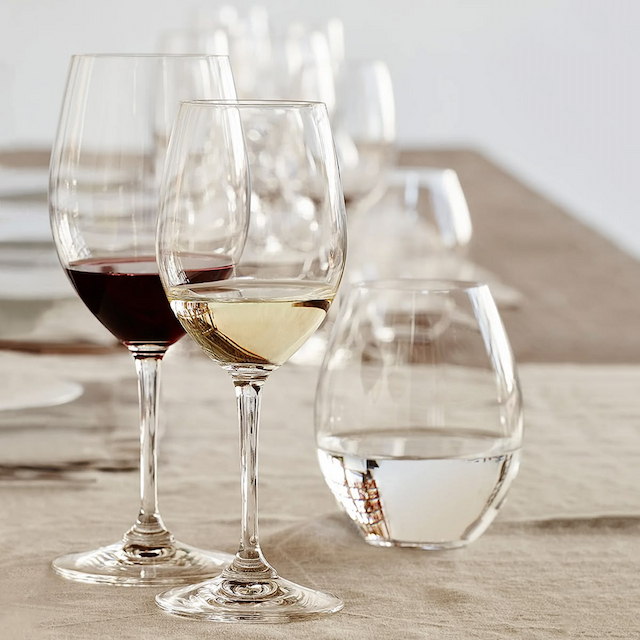
Different Wine Glass Shapes
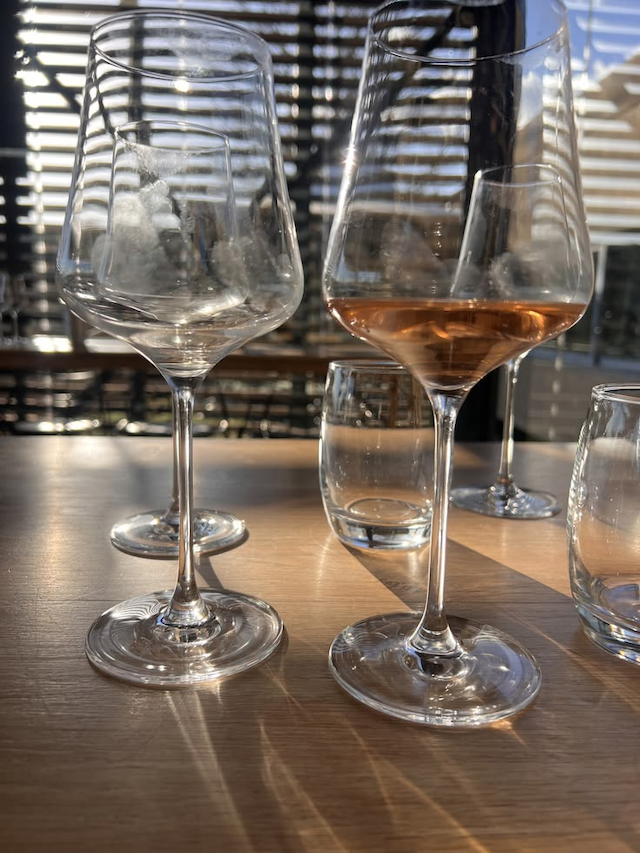
Balloon-Shaped
Balloon-shaped glasses have large, rounded bowls, wide bases and openings that are slightly narrower than the widest part of the glass. Their generous size gives you plenty of room to swirl the wine, allowing it to come into contact with oxygen and release its aromas.
This makes them suitable for full-bodied reds such as Cabernet Sauvignon, Merlot and Syrah. These wines often have complex flavour profiles, with notes of dark fruit, oak, spice and tannins that benefit from some aeration. The wide bowl helps these aromas develop, while the narrower opening directs them towards your nose as you take a sip.
Balloon-shaped glasses for wine are also popular for Pinot Noir, which has delicate aromas that can benefit from the extra room to develop.
Narrow-Shaped
Narrow-shaped wine glasses have tall, slim bowls and small openings. Unlike wider glasses, they expose less of the wine’s surface to air, helping preserve its freshness and delicate aromas. Crisp white wines such as Sauvignon Blanc, Pinot Grigio and Riesling, which are often appreciated for their refreshing acidity and fruity, floral or citrus notes, are best enjoyed in narrow-shaped glasses.
These glasses also help chilled wines retain their temperature for longer, especially when the glass is held by its stem rather than around the bowl. Narrow glasses are also a popular choice for sparkling wines, although traditional Champagne flutes are a more specialised variation. Their slim shape helps slow the escape of bubbles, keeping the wine lively for longer.
Tulip-Shaped
Tulip-shaped drinking glasses are named after their resemblance to the flower. They have a rounded bowl that widens towards the middle before gently narrowing at the rim. This shape gives the wine enough room to breathe while helping concentrate its aromas towards your nose.
Sparkling wines, like Champagne and Prosecco, can be enjoyed in this type of glassware. The wider bowl allows you to appreciate more of their delicate aromas, such as citrus, apple, pear and brioche. The narrower opening helps retain some of their fizz.
They’re also suitable for aromatic white wines, such as Gewürztraminer and Riesling, where you want to enjoy the floral and fruity notes without letting them disperse too quickly. Depending on their size, tulip-shaped glasses can also work well with lighter reds.
Stemless
Unlike traditional drinking glasses, stemless designs have no long stem. Instead, the bowl rests directly on a flat base, which gives them a relaxed and modern appearance. Their shape can vary, from rounded bowls suitable for reds to narrower designs intended for whites. You can find stemless versions of many traditional wine glass styles.
When it comes to choosing a wine, they’re quite versatile. A rounded stemless glass can accommodate full-bodied reds such as Merlot and Cabernet Sauvignon, giving you room to swirl the wine and enjoy its aromas. Smaller, narrower versions can also work well for white wines and rosé.
However, there’s one thing to consider: holding the bowl directly transfers heat from your hand to the wine. This can cause chilled varieties to warm up faster, affecting their freshness. On the plus side, stemless glasses are easy to handle, fit neatly into cupboards and work well for casual dinners or relaxed evenings at home. If you prefer a less formal look and don’t mind sacrificing a little temperature control, they’re worth considering.
Do You Need Every Shape in Your Cupboard?
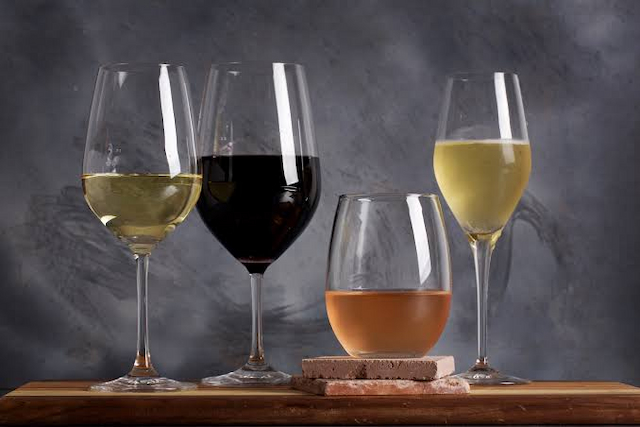
As a true wine enthusiast, you might be tempted to collect different glasses for every grape variety you enjoy. Although having the perfect glass for every occasion sounds appealing, it’s not necessarily a practical approach.
A few versatile shapes can cover most of your favourite wines, from crisp whites to full-bodied reds. If you have a particular soft spot for certain varieties, you can always invest in glasses that bring out their distinctive aromas and flavours. The idea is to build a collection that suits your wine preferences without taking over your cupboard.